
Older homes around Roman Chester can offer beautiful architecture, established gardens and plenty of character. However, the parts of a property you cannot see may need just as much attention as the roof, walls and electrics. Drainage is often overlooked during a standard viewing, even though defective underground pipes can lead to disruption and expensive repair work.
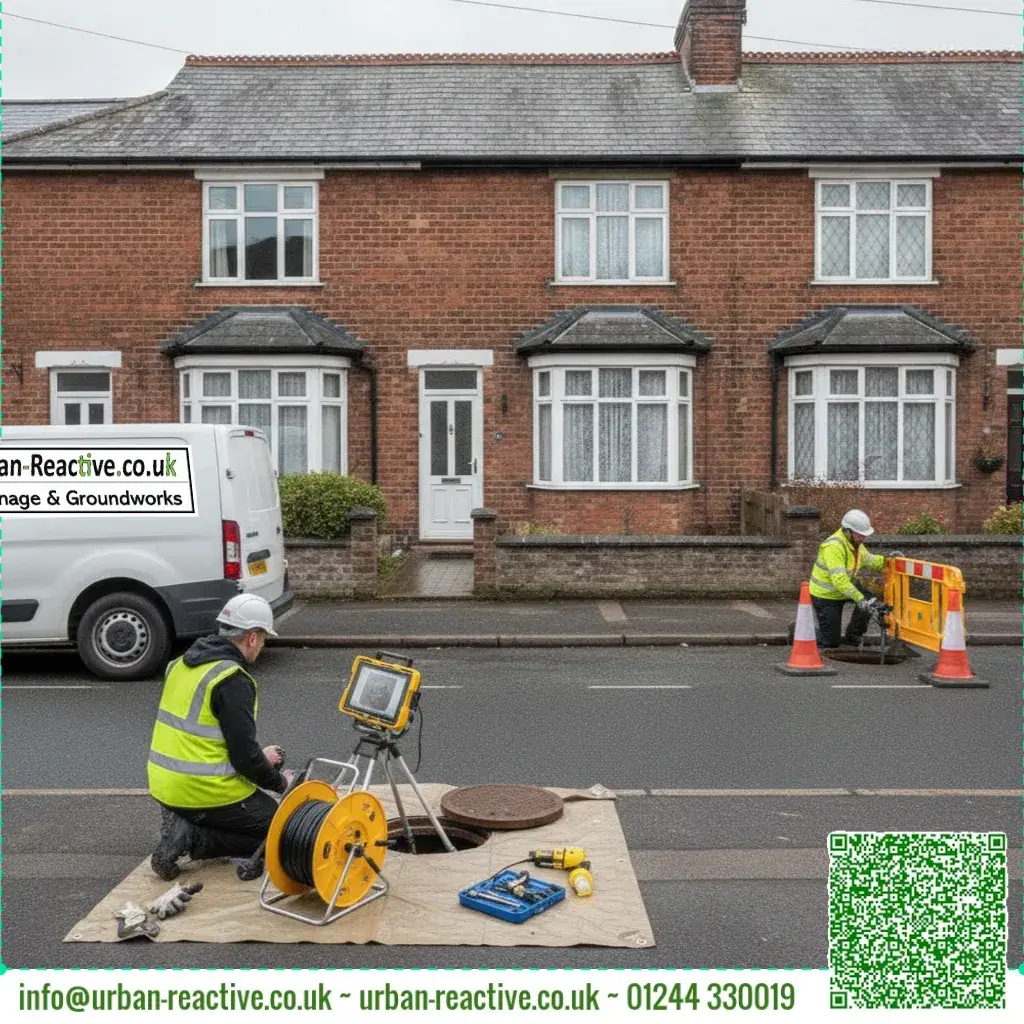
A CCTV drain survey before buying an older home in Chester provides a detailed look inside the drainage system. Instead of relying solely on surface signs or a seller’s assurances, you can understand the condition of the pipes and make a more informed decision before committing to the purchase. This is especially useful when investigating older house drain problems or other hidden drainage defects in period properties.
Why older Chester homes need closer drainage checks
Many period properties have drainage systems that have been altered over several decades. Original pipework may connect to later extensions, replacement bathrooms, conservatories or converted outbuildings. Some sections may be difficult to access, incorrectly connected or no longer shown accurately on available plans.
Older properties may also contain clay or other traditional pipe materials. These can remain serviceable for many years, but joints may move, crack or separate as the ground changes. Tree roots can enter through small defects, while historic repairs may have left weak points in the system.
In and around the historic parts of Chester, the age and layout of a property can make drainage faults particularly difficult to assess from above ground. These Roman Chester property drainage issues are not always visible during a viewing. A pleasant-looking patio, driveway or garden does not confirm that the pipes beneath it are sound.
What a pre-purchase CCTV drain survey can reveal
During a CCTV drainage survey in Chester, property owners and prospective buyers can see the internal condition of accessible drains. A camera is guided through the pipework, producing recorded footage and, where appropriate, a report describing the findings.
The survey may identify:
- Cracked, fractured or displaced sections of pipe
- Open or damaged joints
- Root intrusion and areas where roots are beginning to enter
- Build-ups of soil, grease, silt or other debris
- Backfall, standing water or poor flow
- Collapsed or badly deformed pipes
- Redundant connections, abandoned pipework or possible misconnections
- Evidence of previous repairs or lining work
Not every defect requires immediate excavation. The value of the survey is that it helps distinguish between a minor maintenance issue, a repair that should be budgeted for and a serious defect that needs resolving before completion.
For more background on what can happen when underground drainage deteriorates, see What Happens When Drain Pipes Collapse Underground?.
Why a normal home survey may not be enough
A building survey or homebuyer report can highlight visible damp, movement, damaged surfaces and other signs of concern. However, a general property inspection will not normally examine the inside of the entire private drainage system. Manholes may be lifted, but this is not the same as inspecting the full length of the pipework.
Drainage problems can remain hidden until heavy rain, increased household use or a blockage puts the system under pressure. A drain may appear to work during a short viewing while still containing a crack, root ingress or partial collapse further along the line.
This is why a drain survey when buying a house should be considered separately from the main property survey, particularly if the home is old, has mature trees, has experienced alterations or shows any warning signs.
Signs that a property may need a drainage inspection
You do not need to wait for a serious blockage before asking for a homebuyer drainage inspection. Consider arranging a survey if you notice:
- Slow-flowing sinks, baths or showers
- Gurgling sounds from toilets or plugholes
- Unpleasant smells around internal or external drains
- Repeatedly blocked toilets or gullies
- Areas of unusually lush, sunken or persistently wet ground
- Cracks or dips in paving close to drainage runs
- Manholes that are damaged, buried or difficult to open
- Large trees growing close to the property or suspected pipe route
- Recent extensions where drainage connections may have been changed
Some signs can have more than one explanation, so they should not be treated as proof of a failed drain. A survey provides evidence rather than guesswork. You can also read Signs Your Property Has Drainage Problems in Vicars Cross (Before They Become Expensive) for practical examples of surface clues that should not be ignored.
How the survey fits into the buying process
Ideally, arrange a pre-purchase CCTV drain survey in Chester before exchange of contracts. Speak to the seller or estate agent about access to inspection chambers and confirm whether the drainage serving the property is private or shared.
The surveyor should explain what areas were inspected and identify any sections that could not be reached. This matters because a report is only as comprehensive as the accessible pipework. Ask for the video footage and written findings so they can be reviewed with your conveyancer or surveyor.
If defects are found, you may be able to request further investigation, obtain repair quotations or negotiate with the seller. Your conveyancer can also advise on responsibility, access rights and any shared drainage arrangements. Do not assume that a seller will automatically be responsible for every defect, particularly where pipe ownership or boundaries are unclear.
Could a drainage defect affect your budget?
The cost and disruption of remedial work depend on the location, depth, access and type of defect. A straightforward clean or localised repair may be relatively manageable. A collapsed run beneath a driveway, extension or landscaped garden can involve more planning and reinstatement.
In some situations, a no-dig option such as a patch liner or drain lining may be suitable. In others, excavation and replacement may be the most reliable approach. A CCTV survey does not prescribe the correct repair in every case, but it gives a drainage specialist the information needed to recommend an appropriate solution.
Root damage is another issue worth identifying early. If trees are close to older pipework, the survey can show whether roots have already entered the system. Urban Reactive explains more in How CCTV Surveys Find Root Intrusion Quickly.
What to ask before booking a CCTV drainage survey
Before arranging the inspection, ask the contractor:
- Which drains and inspection chambers will be surveyed?
- Will the inspection include pipework in the garden, driveway or outbuildings?
- Will I receive recorded footage and a written report?
- How will inaccessible sections be identified?
- Can you provide a clear explanation of the urgency of any defects?
- Will you recommend repair options separately from the survey findings?
It is also sensible to tell the surveyor about anything you have noticed, such as smells, slow drainage, previous blockages or building work. This can help direct attention to the areas most likely to need closer examination.

When you are buying an older home, it is easy to focus on the features you can see and leave the drainage until something goes wrong. My advice is to treat the drains as part of the property, not as an afterthought.
If there are mature trees, a long private drain run, signs of patching or any history of blockages, a CCTV survey is a sensible precaution. Ask to see the footage, not just a brief pass-or-fail comment. The useful part is understanding where the pipes run, what condition they are in and whether a problem needs action now or can simply be monitored.
A survey cannot remove every risk from buying a period property, but it can replace uncertainty with practical information. That can make conversations with the seller, conveyancer and mortgage adviser much clearer before you are legally committed.
Final thoughts
A CCTV drain survey before buying an older home in Chester is a practical way to investigate hidden drainage defects in period properties. It can identify faults that a viewing and standard survey may not reveal, helping you understand potential repairs before exchange and completion.
Roman Chester’s historic setting makes older properties appealing, but age, alterations, mature planting and changing ground conditions all mean the drainage deserves proper attention. If you are considering a property and want to arrange an inspection, contact Urban Reactive to discuss the survey and the access available at the home.
Related Urban Reactive Guides
- CCTV Drain Survey Before Buying a House in Chester: Why It Matters
- CCTV Drainage Survey Before Buying an Older Home: Why It Matters
- What Happens When Drain Pipes Collapse Underground?
- How CCTV Surveys Find Root Intrusion Quickly
