
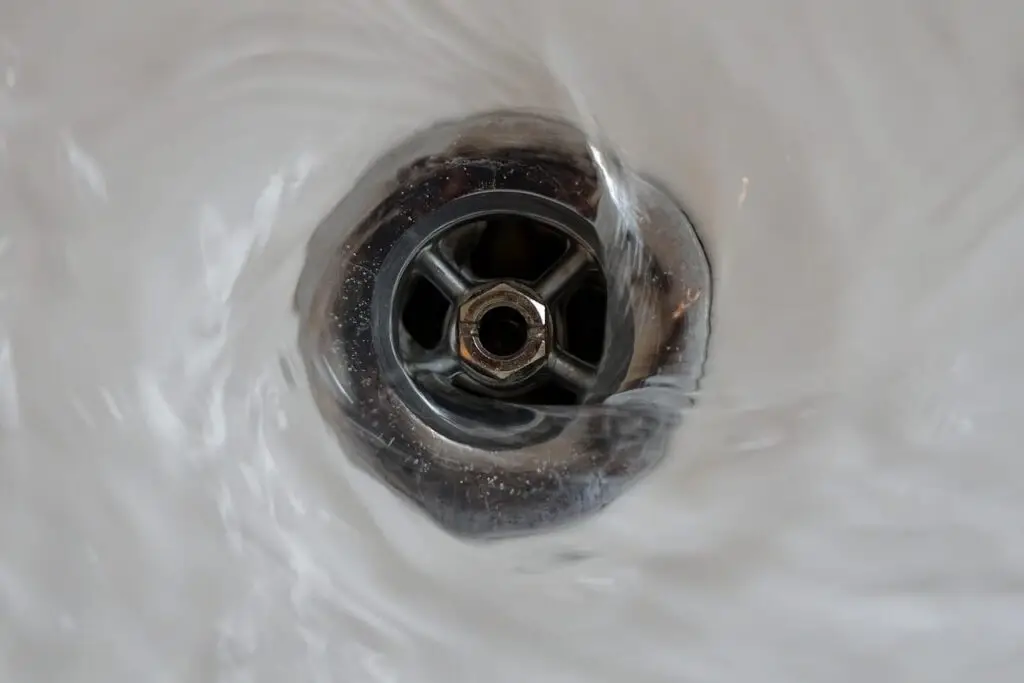
As a professional drain survey expert, I’ve seen my fair share of slow-draining sinks, showers, and bathtubs. It’s one of those niggling household issues that starts as a minor annoyance but can quickly escalate into a bigger problem if ignored. If you’re an urban homeowner dealing with sluggish drainage, don’t panic—let’s diagnose the issue and take the right first steps. Why Is My Drain Slow? Common Causes
- Build-Up of Hair and Soap Scum
In bathrooms, hair is the usual suspect—especially in showers and sinks. Over time, it tangles with soap scum, creating a stubborn blockage. I once visited a home where the shower drain was so clogged with hair that it took a full drain rodding session to clear it!
- Food Waste and Grease (Kitchen Sinks)
If your kitchen sink is draining slowly, grease and food debris are likely to blame. Even with a sink strainer, small particles and oils can build up in the pipes. A client of mine learned the hard way after pouring leftover cooking oil down the sink—three months later, they needed a full drain jetting!
- Mineral Deposits (Hard Water Areas)
In areas with hard water, limescale can accumulate inside pipes, narrowing the water passage. If you notice chalky residue on taps, your drains might be suffering too.
- Partial Blockages Further Down the Line
Sometimes, the issue isn’t right at the drain cover—it could be deeper in the pipework. Tree roots, collapsed pipes, or misaligned joints can cause slow drainage, especially in older urban properties. First Steps to Fix a Slow Drain
- Try a Plunger
Before reaching for harsh chemicals, a trusty plunger can often dislodge shallow blockages. Ensure a good seal and use firm, consistent pressure.
- Remove Visible Debris
For sinks and showers, lift the drain cover and pull out any hair or gunk. A bent wire or drain snake can help hook out deeper clogs.
- Use a Natural Drain Cleaner
Avoid caustic chemicals—they can damage pipes. Instead, pour a mix of baking soda and vinegar, followed by hot water. This can break down organic matter safely.
- Check External Drains
If multiple drains are slow, the issue might be in the main sewer line. Inspect any accessible external drains for blockages. When to Call a Professional If DIY methods don’t work, or if you suspect a deeper issue (like tree root intrusion or pipe damage), it’s time to call a drainage expert. A CCTV drain survey can pinpoint the problem without guesswork. Final Tip: Prevention is better than a cure!
- Fit drain guards to catch hair and food.
- Avoid pouring fats or coffee grounds down the sink.
- Flush drains monthly with hot water to prevent build-up.
Slow drains are a hassle, but early action saves bigger headaches later. If you’re in an urban area with persistent drainage issues, consider a professional assessment—Urban Reactive offers expert drain surveys and repairs to keep your home flowing smoothly. If you need some free, friendly advice, please give me a call, Luke. Feel free to share your thoughts or let me know if you need help finding the right professionals to bring your vision to life. Happy gardening! Or visit our site at urban-reactive.co.uk Mobile 07740 611456 WhatsApp 07361 897074 Email info@urban-reactive.co.uk